What Actually Is a White Label Lottery Platform?
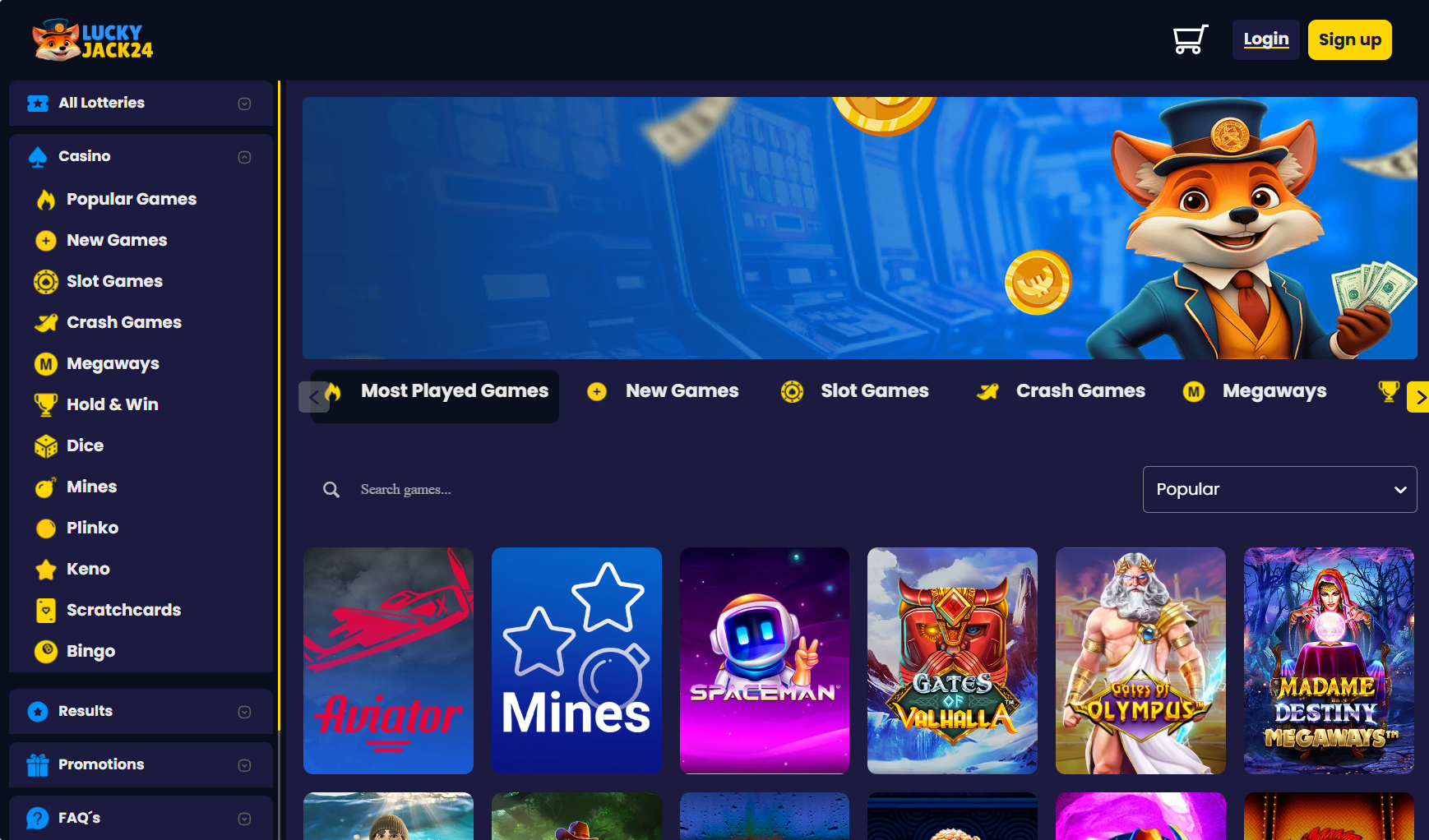
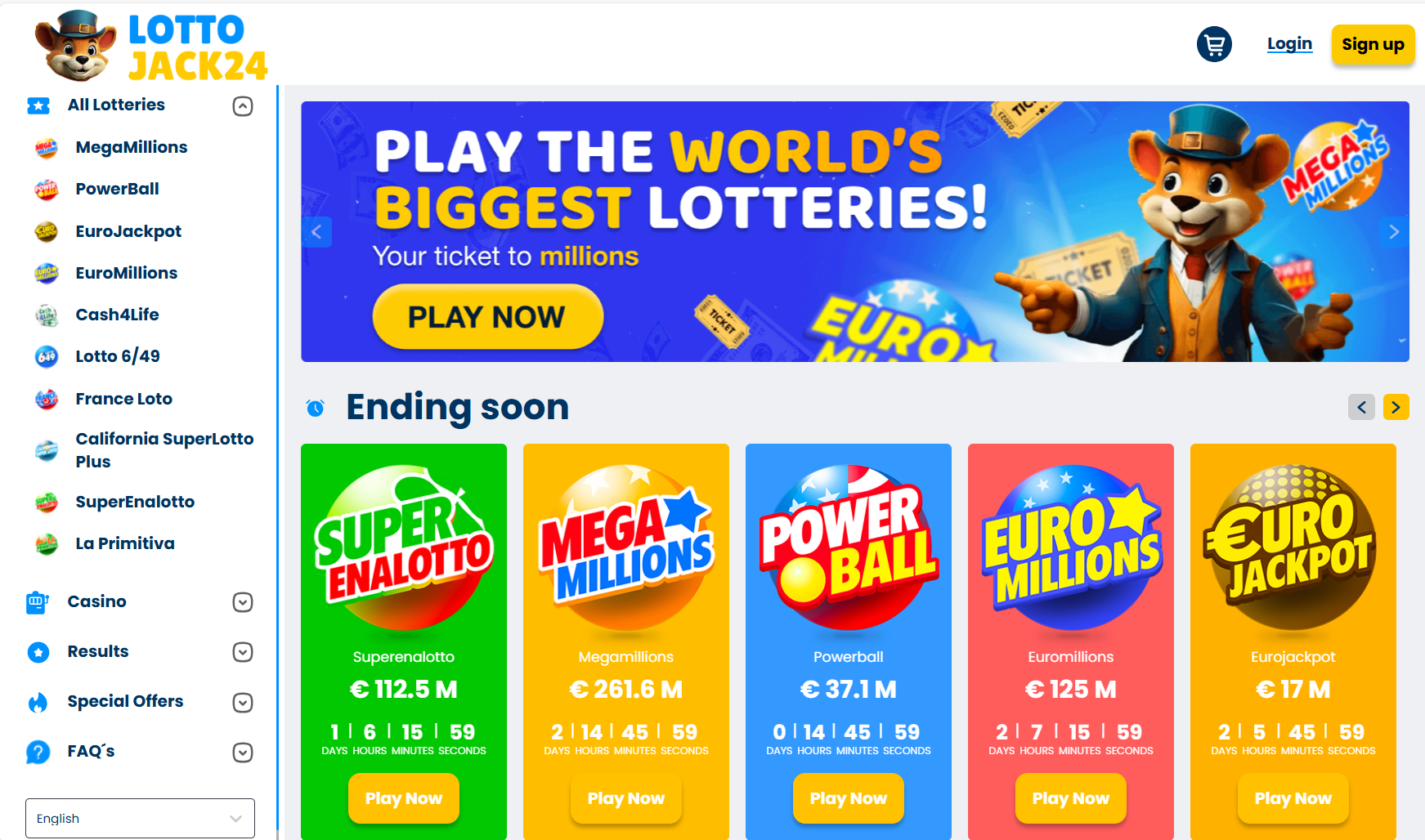
Let's cut through the marketing speak for a second. A white label lottery platform is basically a pre-built gaming system that you rebrand as your own. Think of it like buying a franchise versus building a restaurant from scratch.
You get the kitchen, the recipes, the supply chains—all the complicated backend stuff that would take years to figure out. Your job? Put your name on the door and bring in customers.
The alternative is custom development. That means hiring developers, obtaining licenses yourself, integrating payment systems, building fraud detection... you get the picture. Most people who go that route spend 18-24 months and $500K+ before seeing their first player. And honestly? A lot of them never make it that far.
Turnkey vs. White Label: There's Actually a Difference
People use these terms interchangeably, but they realy shouldn't. Here's how I think about it:
White Label = You get the software and basic branding tools. You still handle licensing, payments, and operations yourself.
Turnkey = Everything's included. License, payment processing, customer support, compliance—the whole package. You literally just need to market it.
For someone without gaming industry experience, turnkey makes way more sense. I've watched too many first-time operators underestimate the regulatory compliance part. It will absolutley drive you crazy if you're not prepared.
The Real Costs Nobody Talks About
I've seen too many "launch your lottery business" guides that gloss over the actual numbers. They make it sound easy and cheap. It's not always either of those things, so let me give you a more honest breakdown.
If You Go Custom:
- Development: $150,000 - $400,000 (minimum, and that's if things go smoothly)
- Gaming license acquisition: $50,000 - $500,000+ depending on jurisdiction
- Legal and compliance setup: $30,000 - $100,000
- Payment processor integration: $20,000 - $50,000 per provider
- Time to launch: 12-24 months
- Annual maintenance: 15-25% of initial development cost
Total first-year investment? You're looking at $300K minimum, often closer to $700K for anything decent. And thats before you've spent a single dollar on marketing.
With a White Label Provider:
- Setup fees: $5,000 - $50,000 (varies wildly between providers)
- Monthly fees: $500 - $5,000
- Revenue share: 15-30% of gross gaming revenue
- Time to launch: 5-30 days
The math isn't complicated here. Unless you're planning to operate at massive scale from day one, the white label route makes financial sense for most people.
Licensing: The Part That Scares Everyone
Here's where things get interesting. Gaming licenses are expensive, time-consuming, and jurisdiction-specific. I've written a separate deep-dive on this topic (check out our licensing guide), but here are the key options:
Tobique Gaming License (First Nations, Canada)Cost: Included with many white label providers
Timeline: Immediate (through sublicensing)
Covers: Most global markets except US/UK
Perfect for: Testing markets and proving your concept
Curaçao eGamingCost: $15,000 - $25,000 annually
Timeline: 6-8 weeks
Reputation: Decent, widely accepted
Flexibility: Good for startups who want thier own license
Malta Gaming Authority (MGA)Cost: €25,000+ plus ongoing fees
Timeline: 6-12 months (sometimes longer)
Reputation: Gold standard in Europe
Requirements: Substantial capital, local presence
Most people starting out don't need an MGA license. It's like buying a Ferrari to learn to drive. The Tobique or Curaçao options let you validate your business model before committing serious capital.
What to Look for in a Platform Provider
After watching dozens of lottery businesses launch (and honestly, some fail pretty badly), here are the things that actually matter:
1. Game Selection Depth
Players want variety. Its really that simple. Your platform should offer:
- Major international lotteries (EuroMillions, Powerball, etc.)
- Regional favorites for your target market
- Instant win games and scratchcards
- Syndicate play options
2. Payment Processing That Works
This is where so many platforms fall short. You need:
- Local payment methods for your target regions
- Cryptocurrency options (increasingly expected, especially by younger players)
- Fast payouts (players notice and talk about this)
- Proper KYC/AML integration
3. Mobile Experience
67% of lottery tickets are now purchased on mobile devices. If the mobile experience is clunky or slow, you'll lose players to competitors. Test this yourself before committing.
4. Support Structure
Are you getting a platform and a "figure-it-out-yourself" attitude? Or do you get a dedicated account manager who actually understands the industry?
The diffference matters more than you'd think, especially in your first year when everything feels new and slightly overwhelming.
Timeline: What to Realistically Expect
Week 1: Platform selection and contract signing
Week 2: Branding customization and initial setup
Week 3: Payment processor integration and testing
Week 4: Staff training and soft launch
Week 5-6: Marketing preparation and full launch
Some providers promise faster timelines—and we've launched platforms in as few as 5 days. But for your first one, dont rush it. A bad launch is worse than a delayed one.
Red Flags to Watch For
Not all white label providers are created equal. Watch out for these warning signs:
- Vague pricing - If they won't give you clear numbers, something's definitley wrong
- No demo available - You should see the product before committing any money
- Offshore-only support - Time zone differences kill response times
- No compliance documentation - This gets you in legal trouble later
- Locked-in contracts - Month-to-month options exist for a reason
We've put together a more detailed provider evaluation checklist if you want to dig deeper into this.
Making the Decision
White label lottery platforms aren't perfect for everyone. They work best when:
- You have an existing audience to monetize (content creators, influencers, community builders)
- You want to test market viability before major investment
- Gaming operations aren't your core competency
- You need to launch within weeks, not years
They're probably not ideal if you:
- Want 100% control over every feature
- Plan to eventually sell the technology itself
- Have a very unique game concept that doesn't fit existing platforms
Most businesses fall into the first category. And that's fine—there's no shame in using proven infrastructure instead of reinventing the wheel. Some of the most successful lottery operators I know started exactly this way.
The lottery industry processed over $300 billion globally in 2025. Even a tiny slice of that market can build a substantial business. The question isn't whether the opportunity exists—it's whether you can move fast enough to capture it.